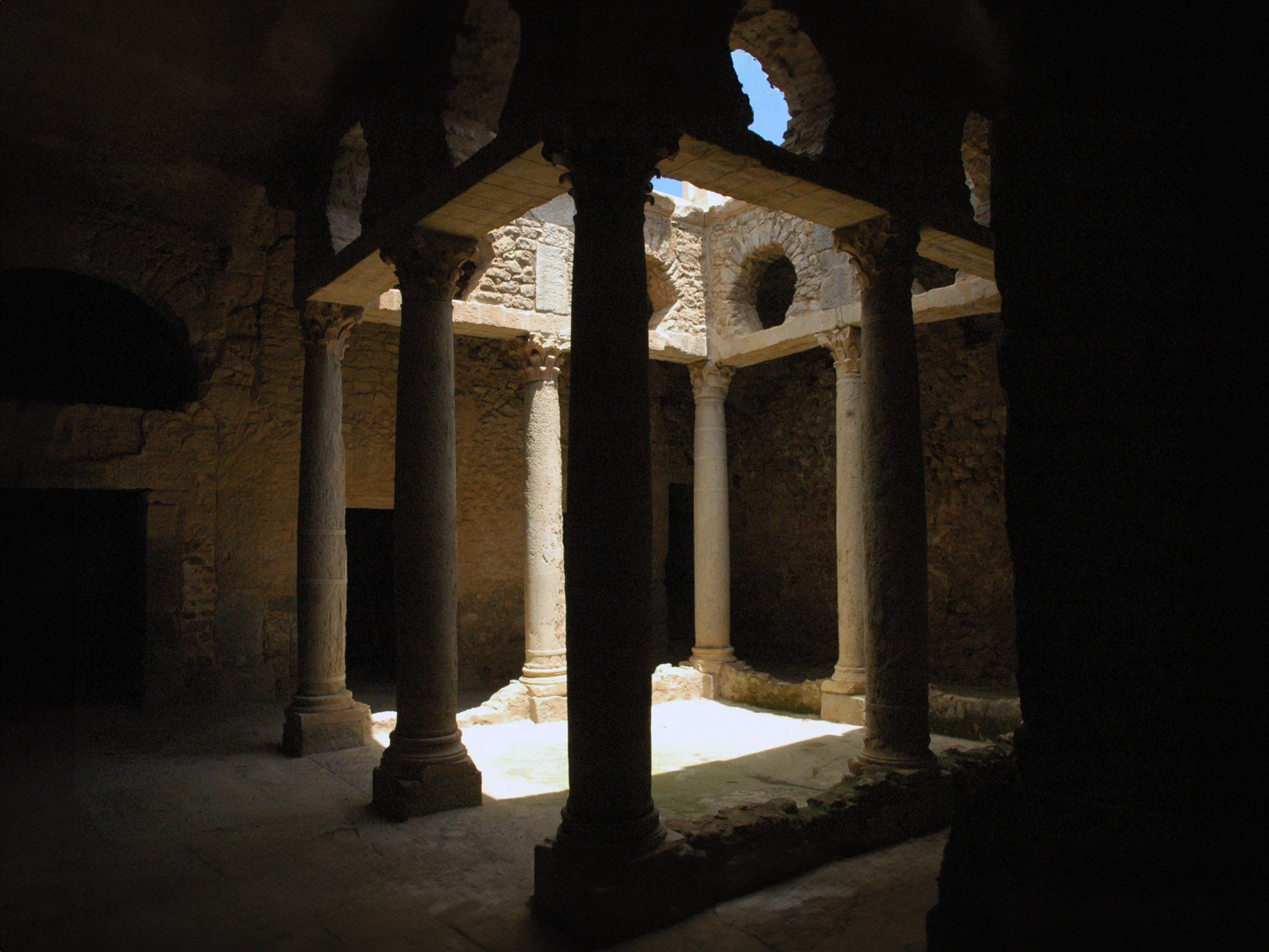

Every project begins with a thorough, non-invasive examination of the artwork or site. This phase includes detailed visual inspection, graphic mapping of deterioration phenomena, and complete photographic documentation (visible light, UV, IR when necessary). We gather historical and technical data, examine any previous interventions, and identify critical issues. The goal is to obtain a complete picture of the state of conservation, which is fundamental for formulating an accurate diagnosis and a targeted intervention proposal. The result of this phase is a detailed "Condition Report."

For projects involving frescoes, wall paintings, and historic plasters, we conduct specialized assessments. These include sounding the plaster to identify areas of detachment from the wall support, analyzing the stratigraphy of the plasters (arriccio, intonaco, intonachino), evaluating humidity levels, and mapping specific phenomena such as cracks, fissures, powdering, salt efflorescence, and biological attacks. If necessary, we use diagnostic techniques such as thermography to identify discontinuities and problems not visible to the naked eye.

Where necessary for a deeper understanding of original materials, execution techniques, or causes of degradation, we employ scientific investigations. These may include stratigraphic analysis in polished or thin cross-sections to study the superposition of pictorial and preparatory layers, microchemical analysis for the identification of pigments and binders, and FTIR, XRF, or XRD spectroscopy to characterize materials. We perform localized and controlled cleaning tests to determine the safest and most effective methods and materials, and consolidation or adhesion tests on small sample areas, always respecting the principles of minimal invasiveness and reversibility.
Based on the collected data, we develop a detailed intervention proposal. This includes a description of the proposed conservation methodologies, the selection of materials (favoring those tested for stability, compatibility, and reversibility), and an estimate of time and costs. For architectural or large-scale conservation projects, this phase may include collaboration with architects, structural engineers, and other specialists to integrate conservation needs into the overall project. Planning also includes defining safety measures for the artwork and operators.
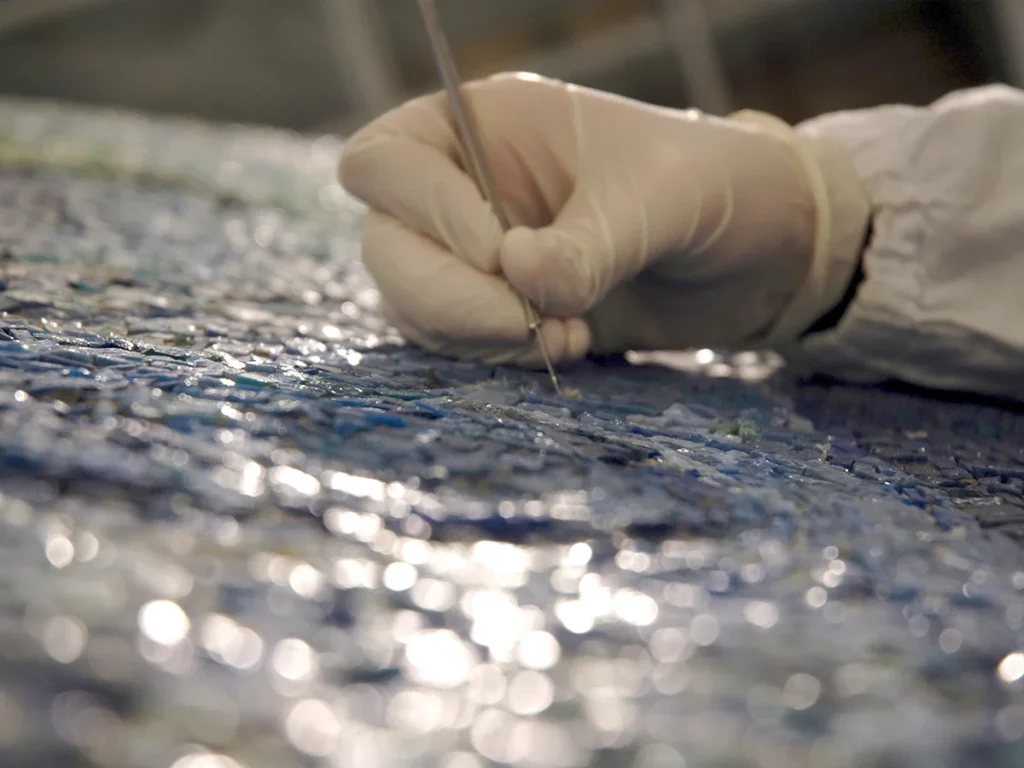
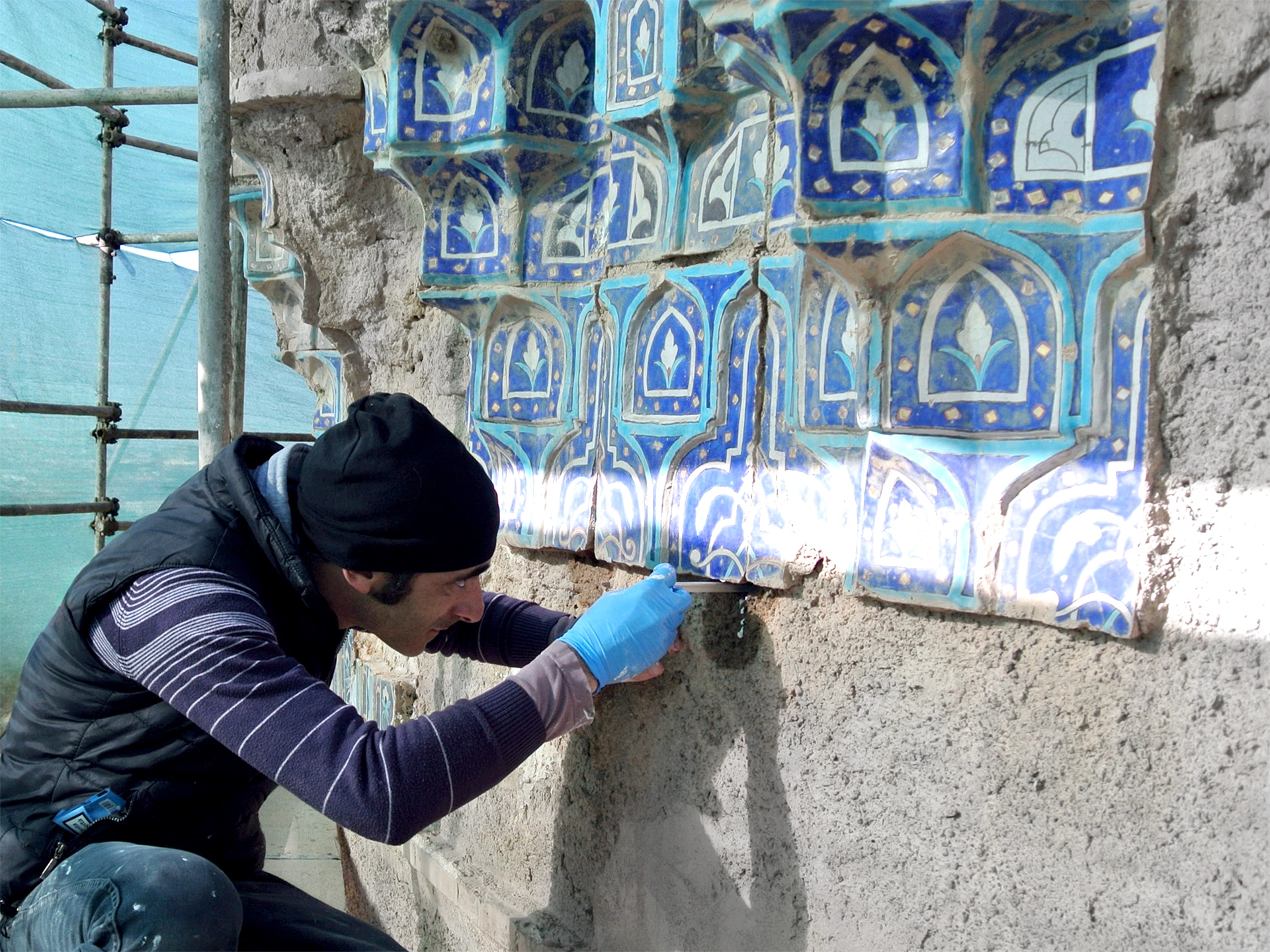
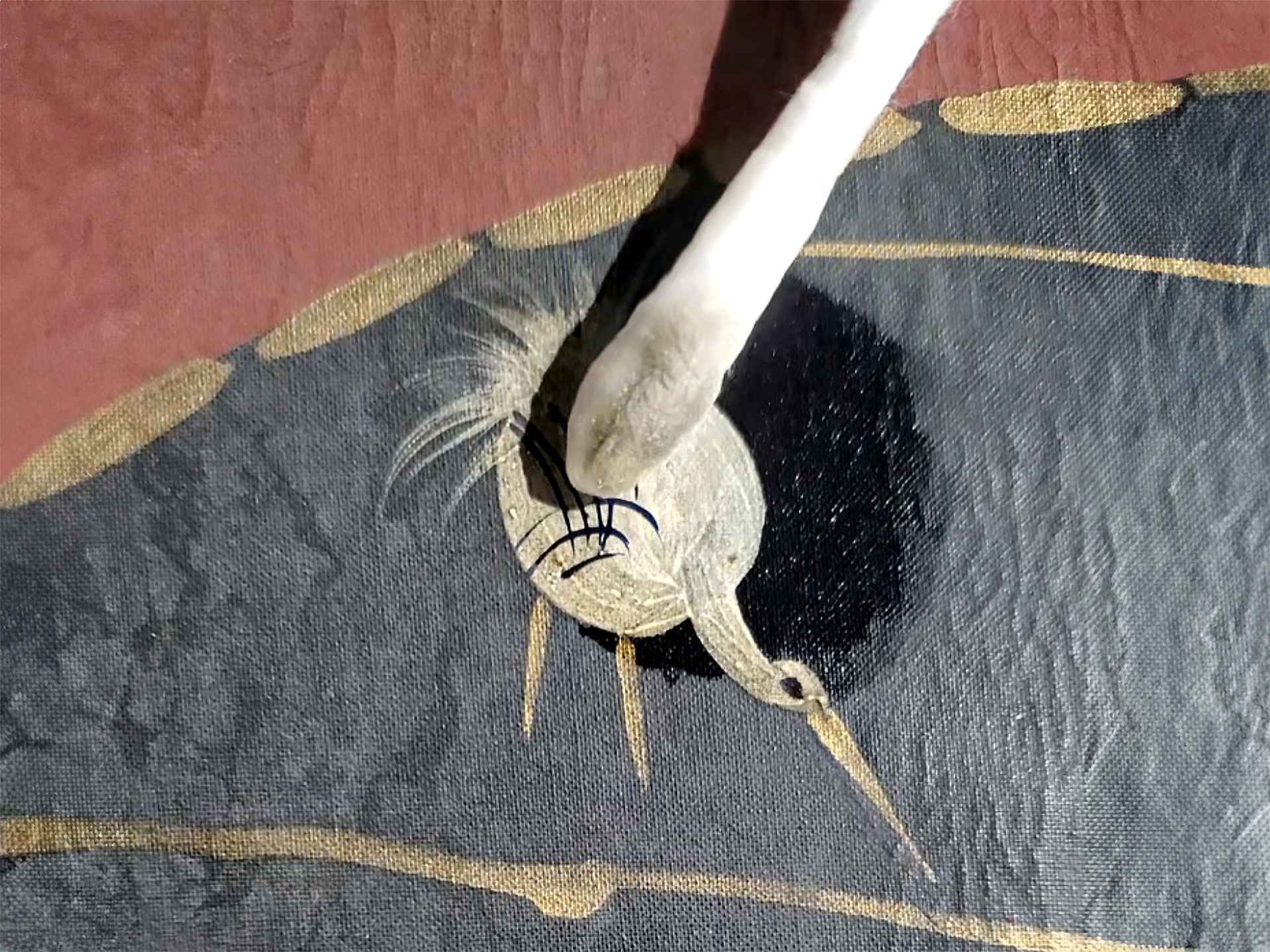
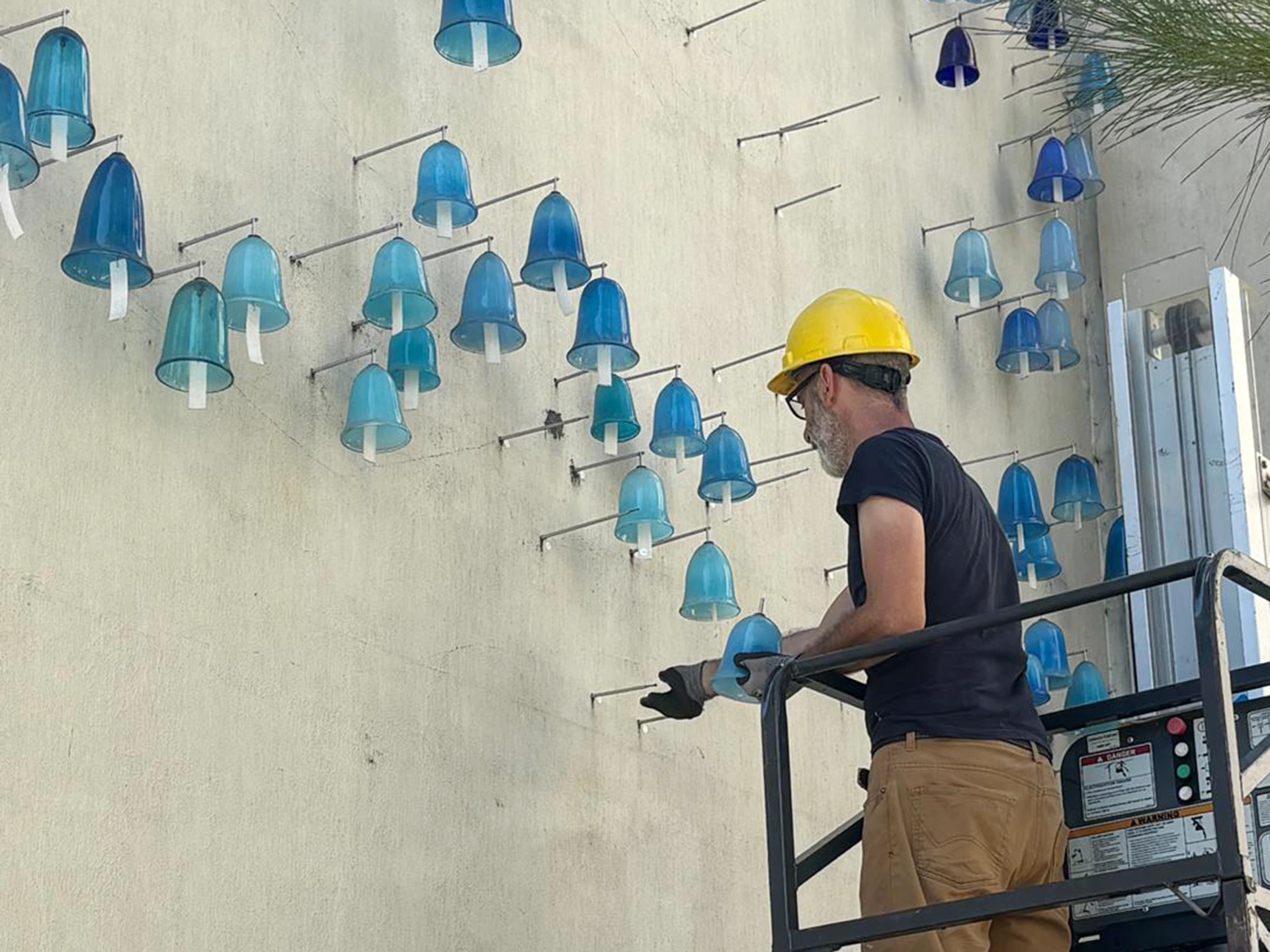
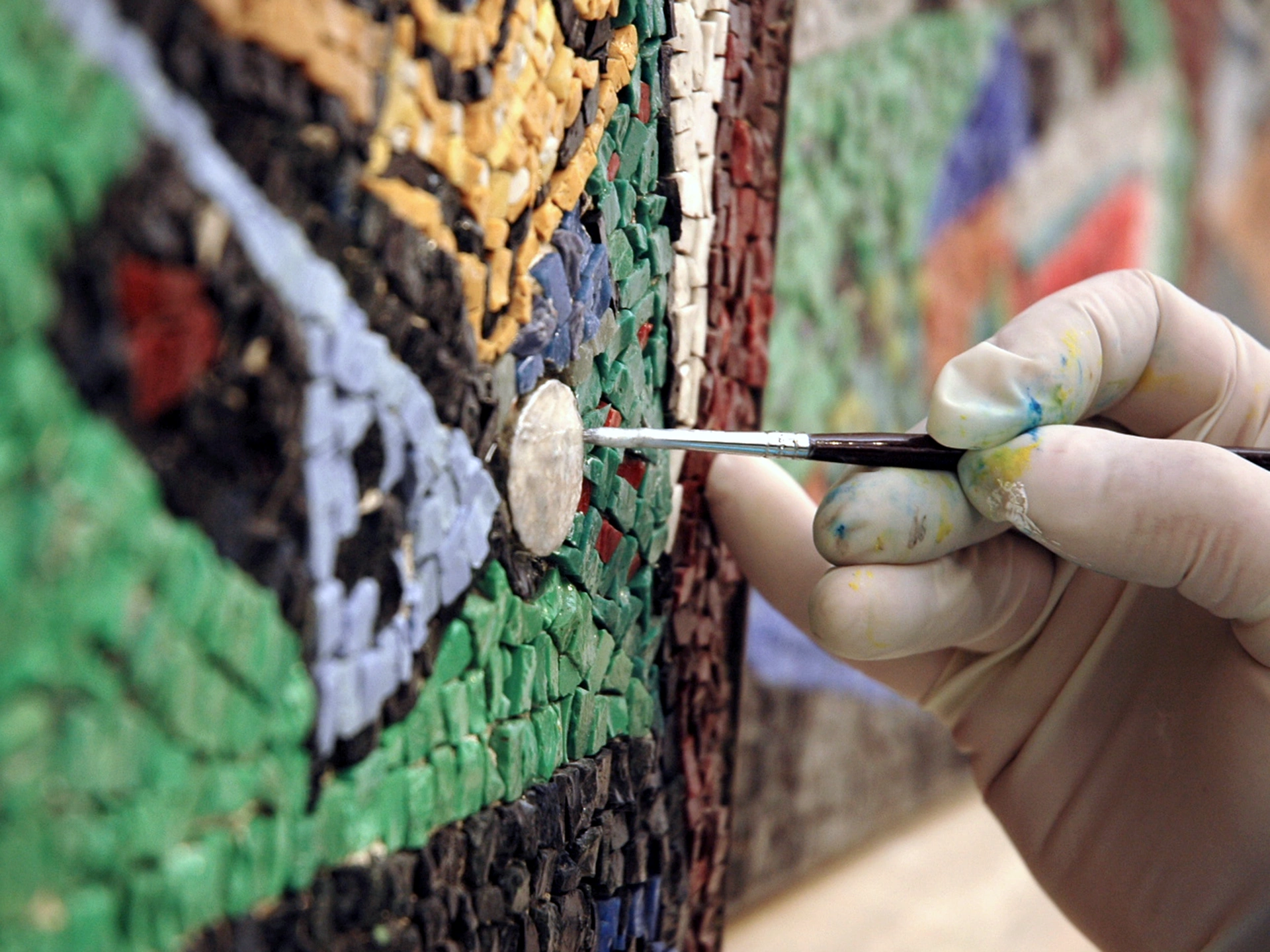
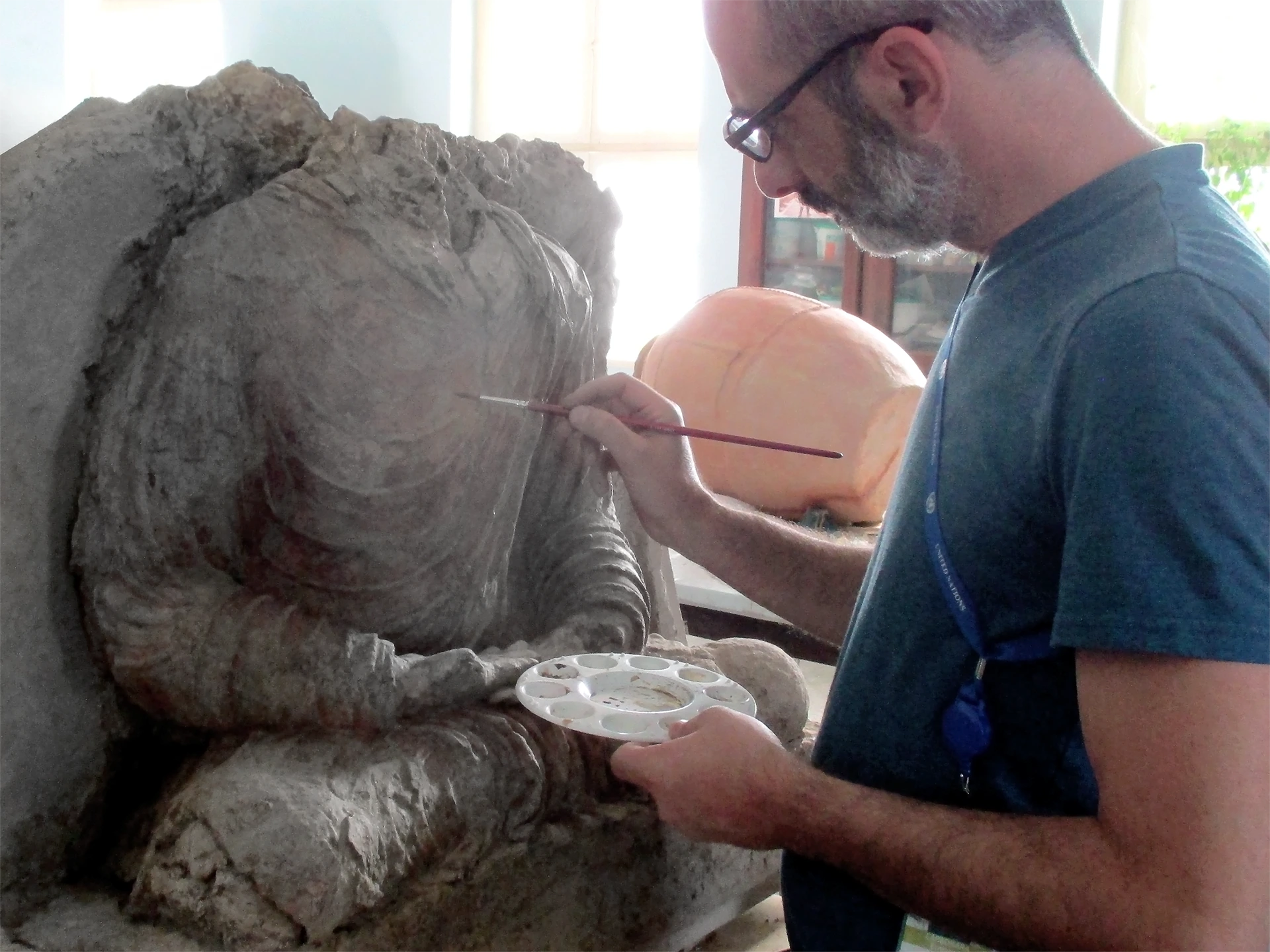
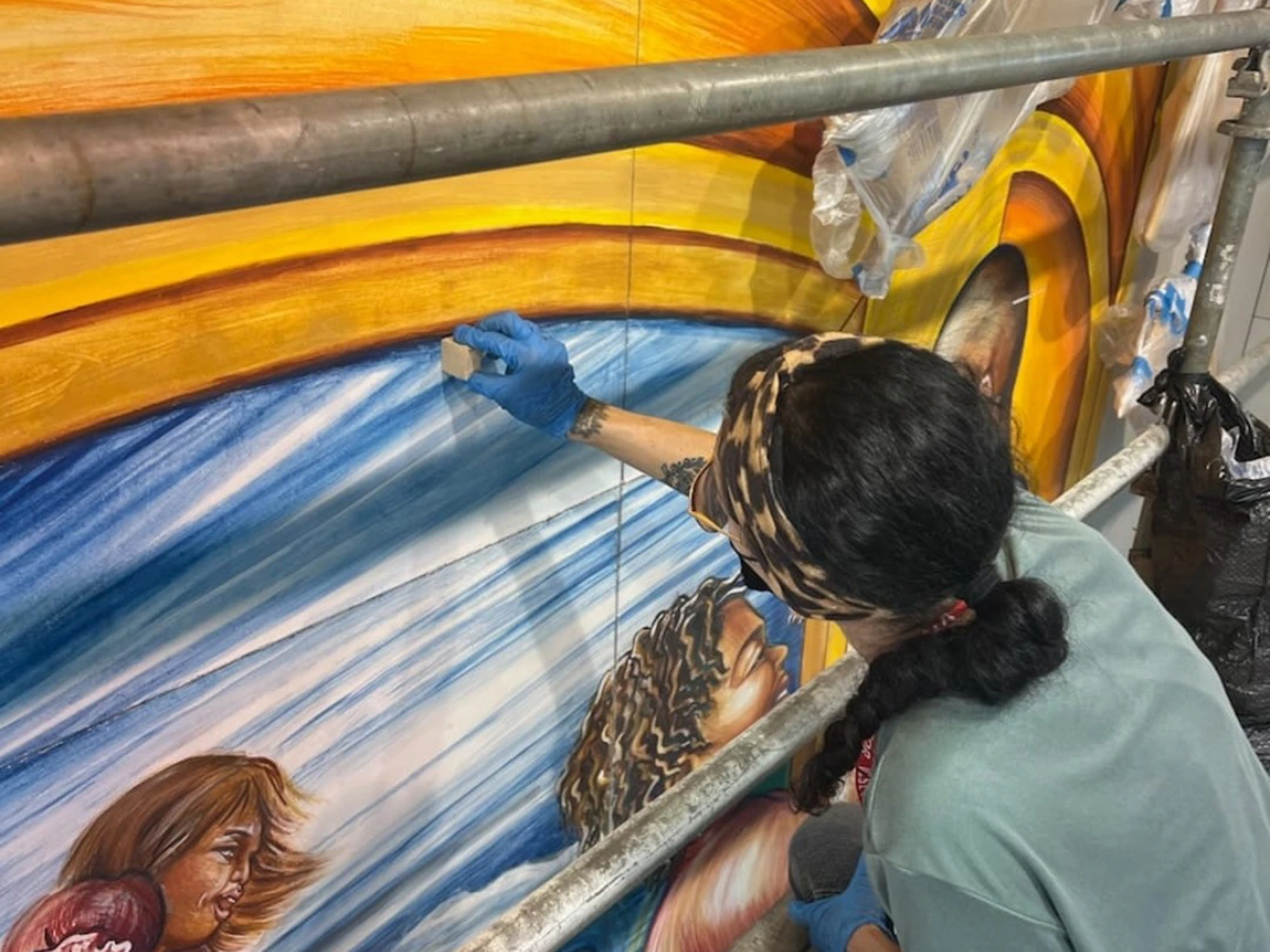
The execution of the conservation intervention takes place in strict adherence to the approved project and the highest professional standards. Operational phases may include, depending on the needs: pre-consolidation, cleaning (mechanical, chemical, physico-chemical), structural and material consolidation, filling of losses, pictorial reintegration (differentiated and recognizable), and application of final protective layers. Each phase is carefully documented.

At the end of the intervention, we prepare a detailed final report that documents all phases of the work carried out, the materials used, and the techniques employed, accompanied by photographic documentation before, during, and after treatment. We also provide specific recommendations for future maintenance and for the correct environmental conditions for conservation, in order to ensure the long-term stability of the results obtained.