Preserving the Art of our Time
Contemporary art pushes boundaries, often utilizing unconventional materials, ephemeral components, digital technologies, and complex installation requirements.
These innovative approaches, while artistically compelling, present unique and often unprecedented challenges for long-term preservation. EC2 Art Conservation embraces these complexities, offering specialized expertise to safeguard the diverse artistic expressions of the modern and contemporary eras.
Our approach to conserving contemporary art is rooted in meticulous research, a deep understanding of material science (including plastics, synthetic media, and electronic components), and a profound respect for the artist’s intent. We recognize that the conceptual integrity of a contemporary artwork is often as crucial as its physical form. Therefore, we prioritize collaboration with artists, their studios, galleries, and foundations to develop conservation strategies that are both materially sound and true to the work’s original meaning and purpose. We navigate the ethical considerations inherent in conserving works that may be designed to change, decay, or interact with their environment.
Does your contemporary artwork require specialized care or consultation?
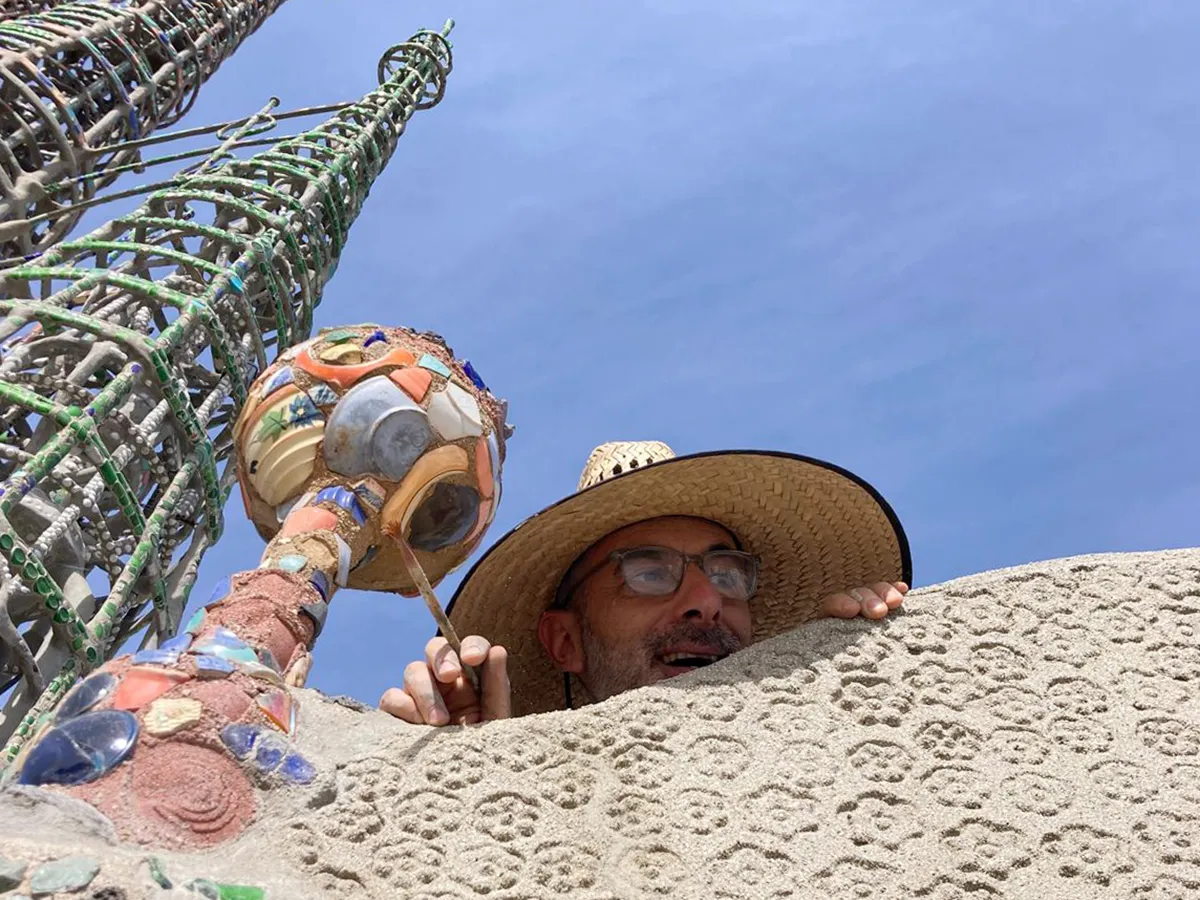
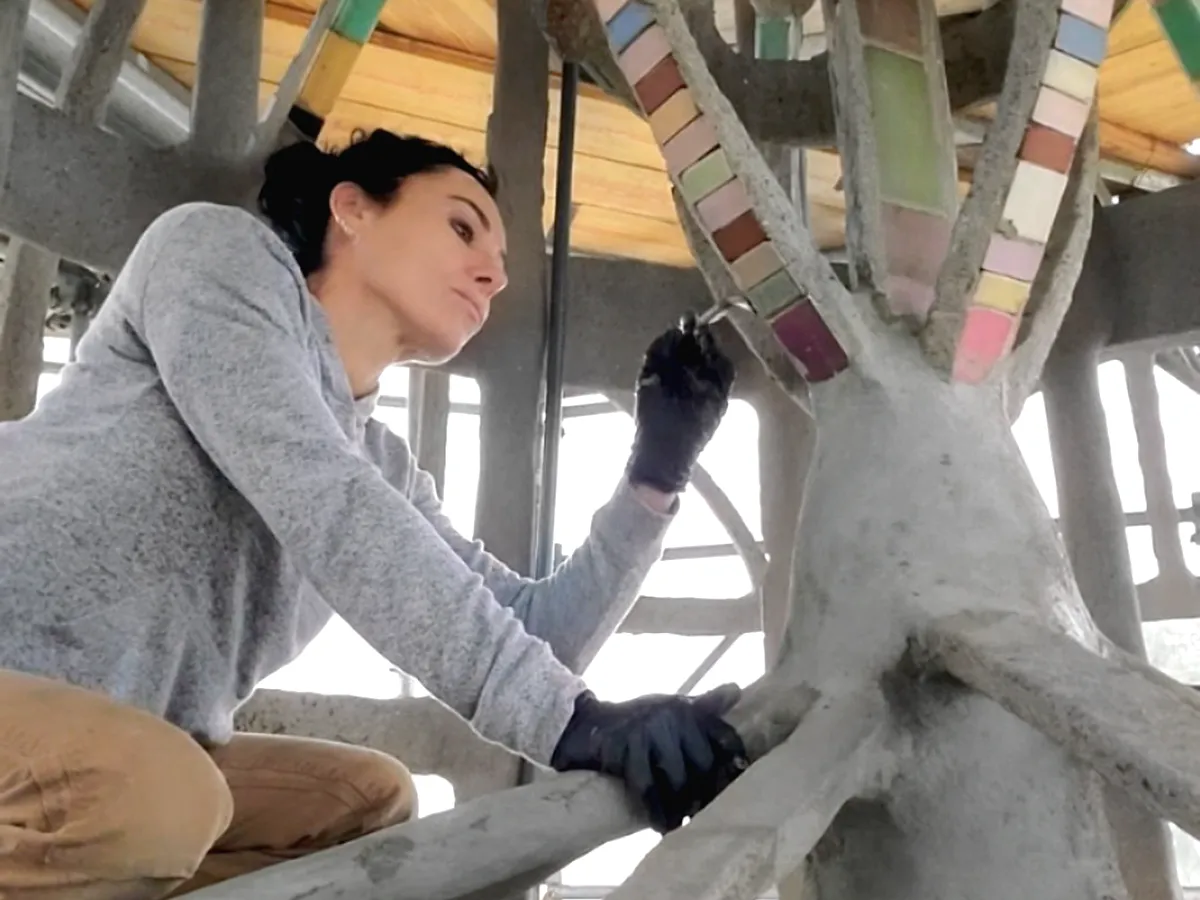
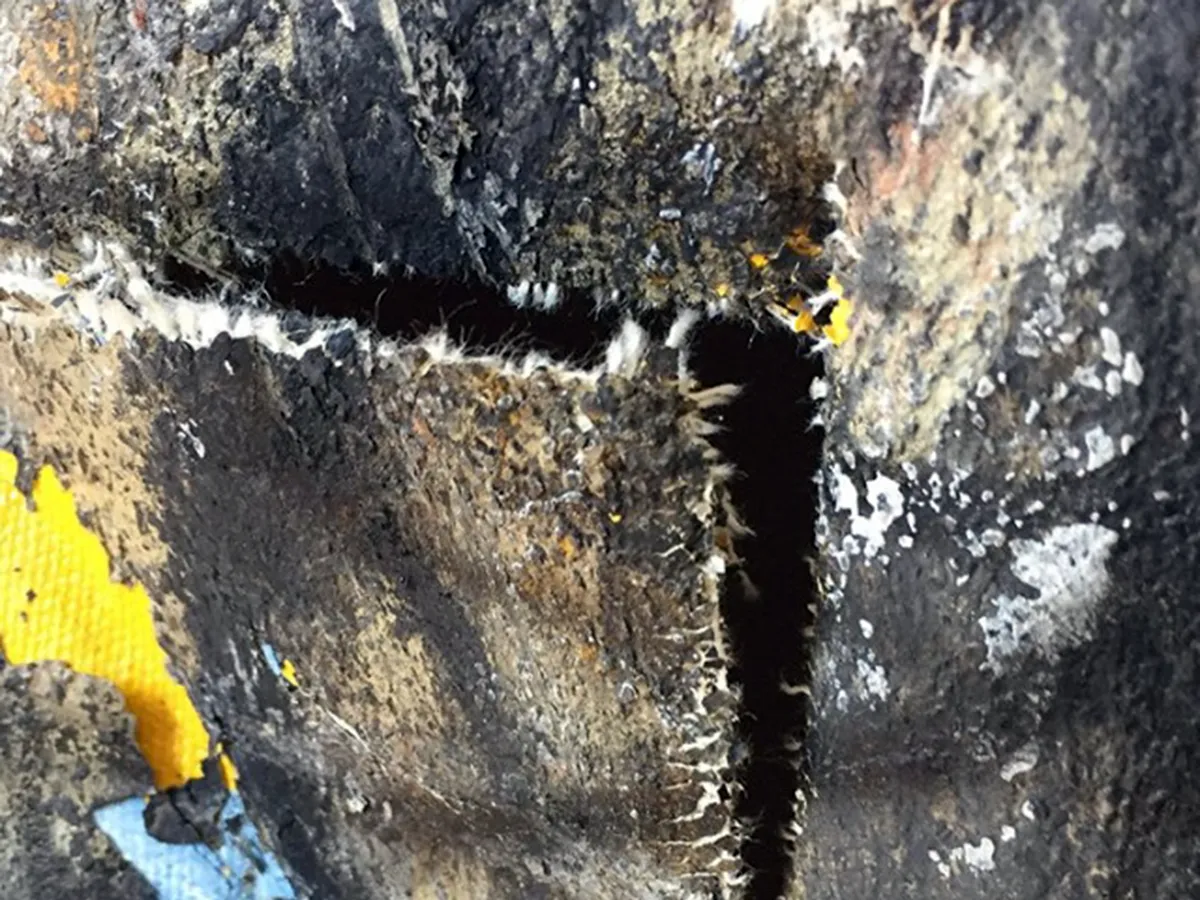
Specialized Conservation for a Spectrum of Contemporary Expressions
EC2 Art Conservation offers a comprehensive suite of services tailored to the diverse and often experimental nature of modern and contemporary art. Our methodologies are adaptive, informed by ongoing research in the field and direct dialogue with creators and stakeholders.
Our key services for contemporary art conservation include:
- Material Analysis & Research
Identification and characterization of unconventional, proprietary, or ephemeral materials (plastics, resins, foams, industrial products, found objects, organic matter) and their specific degradation pathways. - Artist Interviews & Collaboration
Engaging with artists, their estates, fabricators, or galleries to gather crucial information about materials, techniques, fabrication processes, intended lifespan, and acceptable parameters for change or intervention. This dialogue is fundamental to ethical and informed conservation. - Conservation of Paintings & Works on Paper
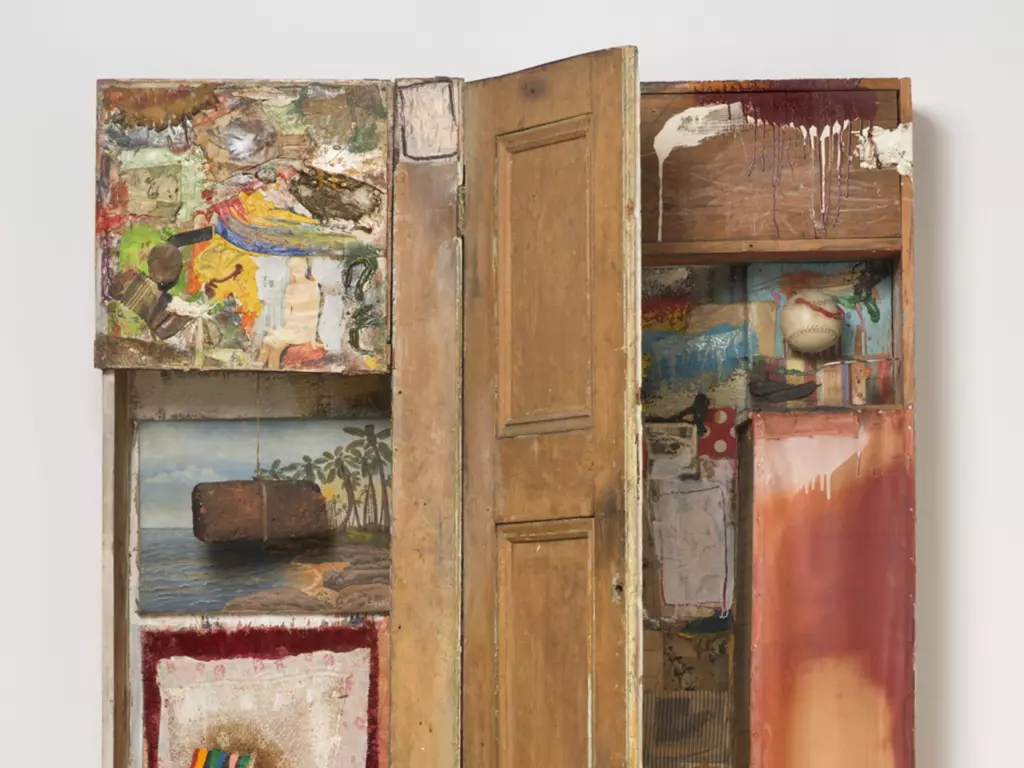
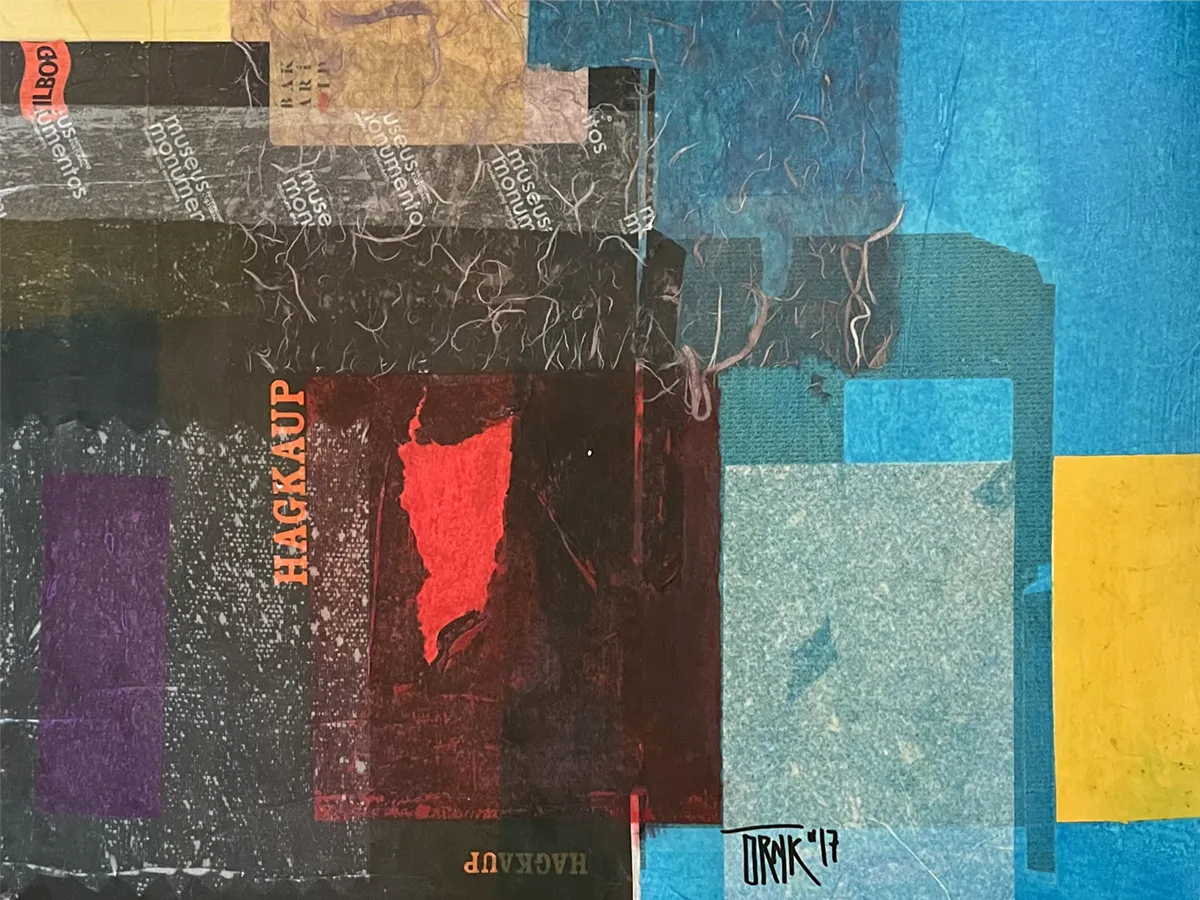
Addressing issues specific to modern paints (e.g., acrylics, alkyds, industrial paints), unconventional supports, and mixed-media collages. - Sculpture & Object Conservation (Modern Materials)
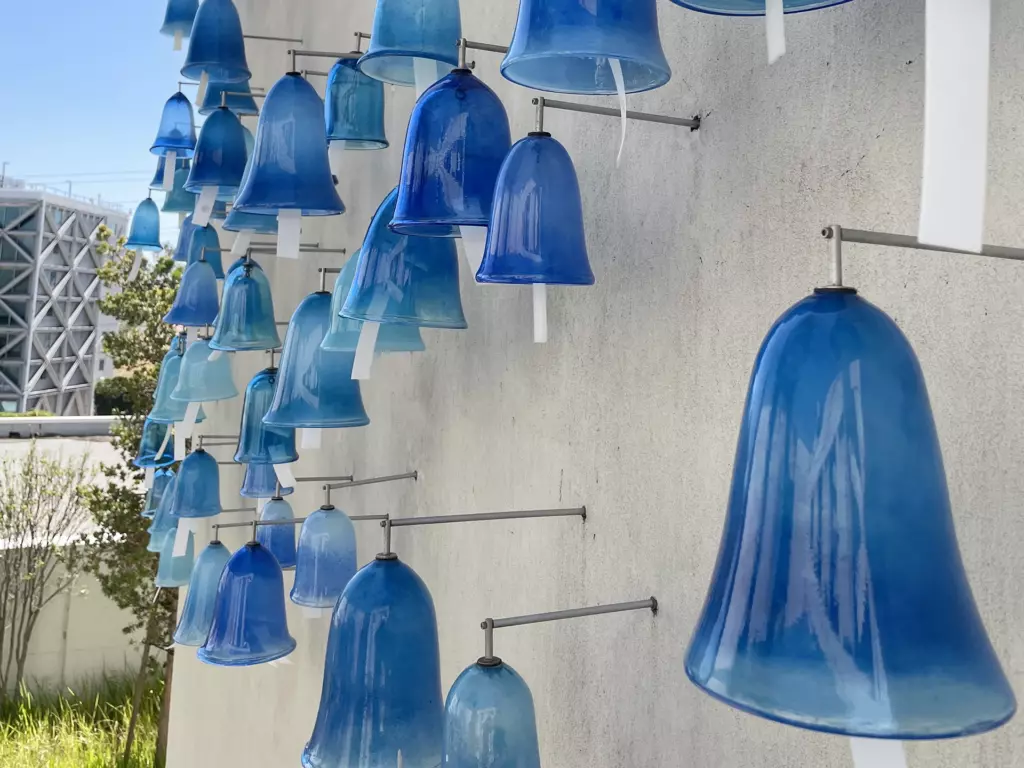
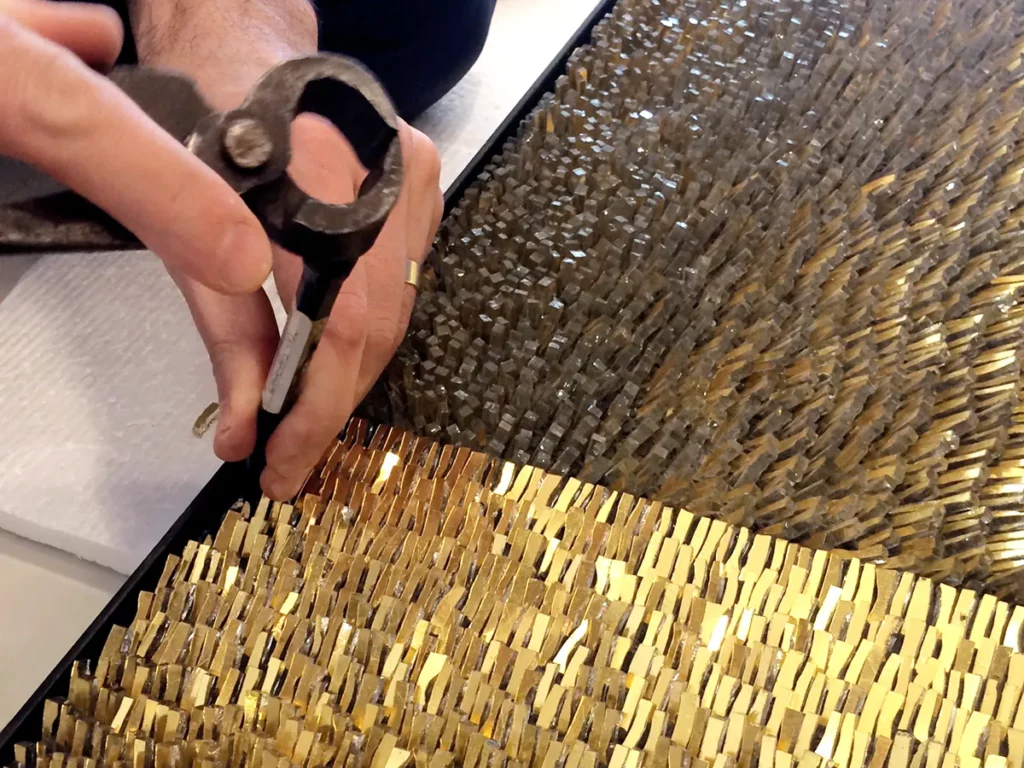
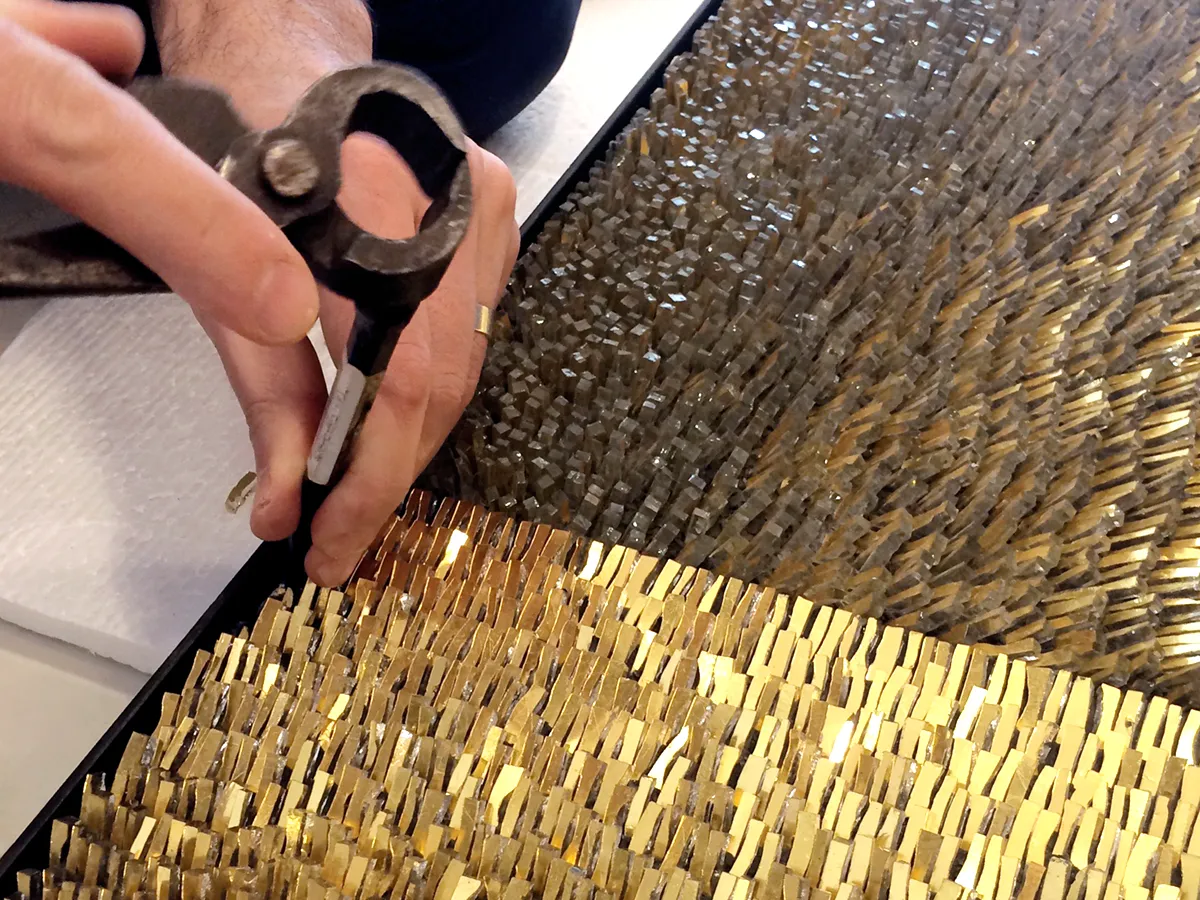
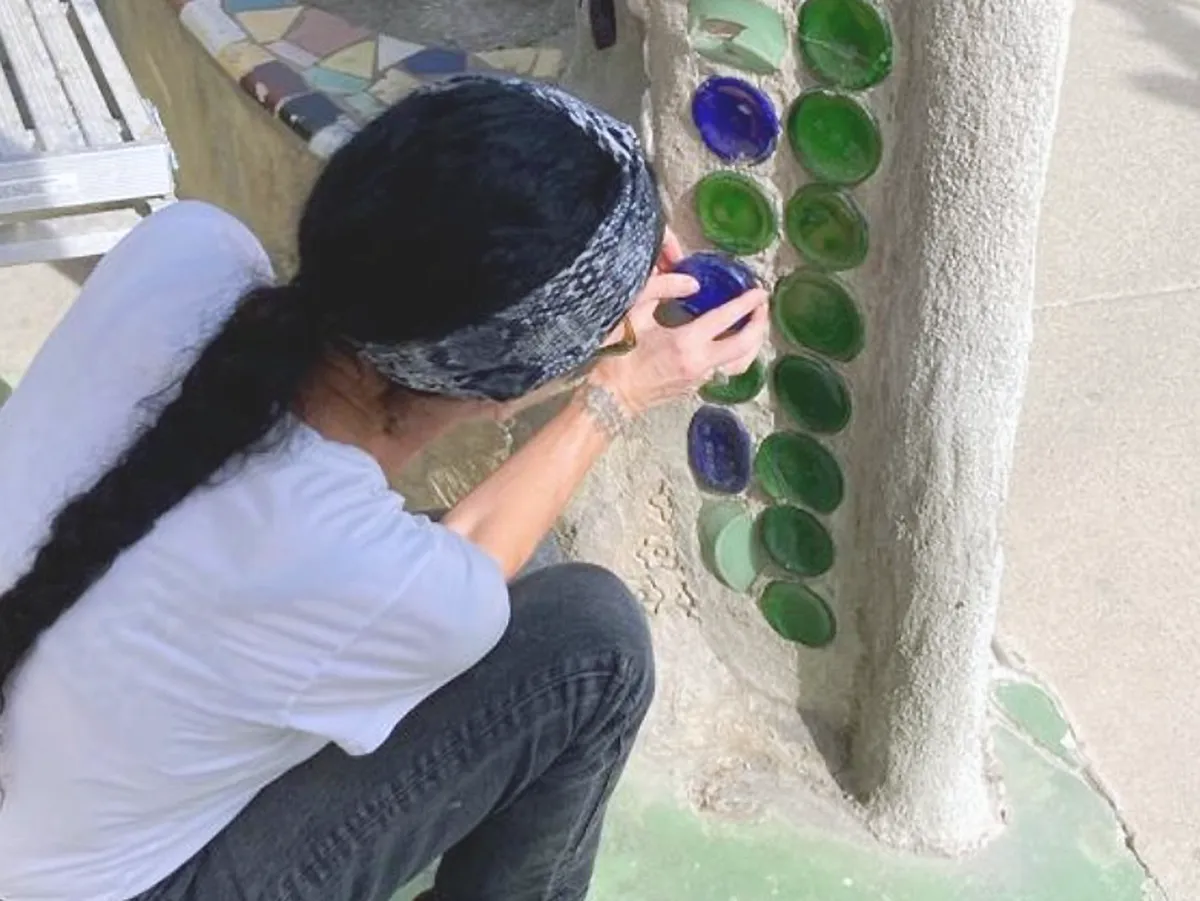
Treatment of sculptures and objects made from plastics, synthetic resins, metals, glass, and diverse assemblages, addressing issues like yellowing, cracking, surface degradation, or structural instability. - Installation Art Conservation
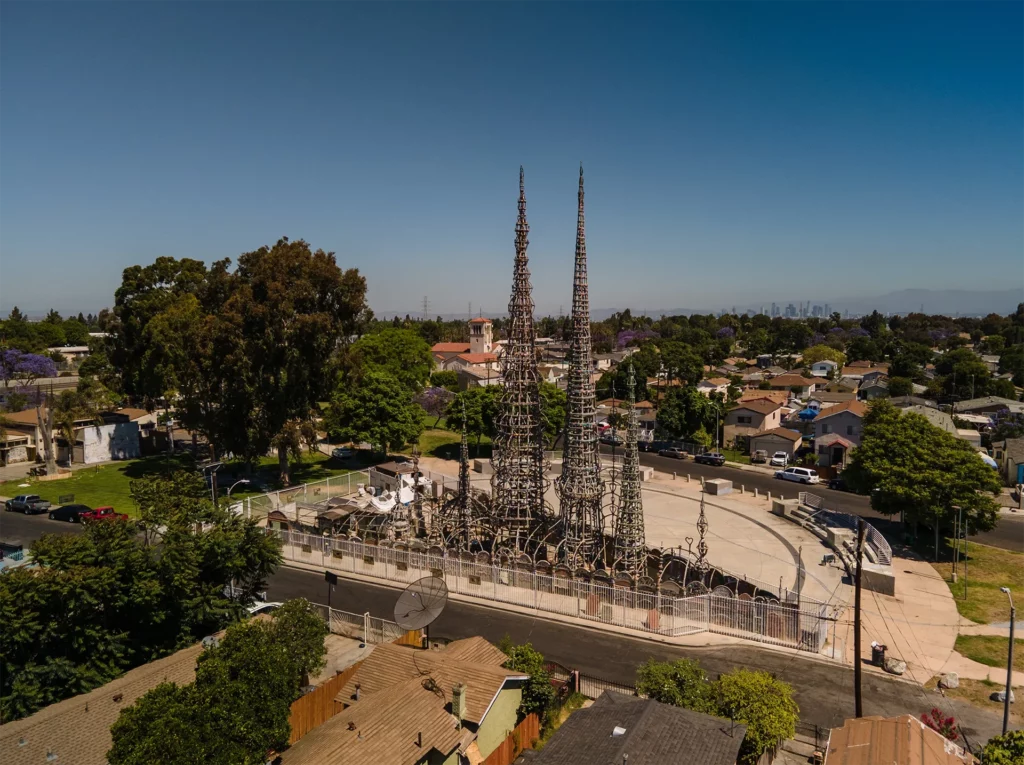
Developing protocols for the documentation, condition assessment, de-installation, packing, transport, storage, and re-installation of complex, multi-part, and site-specific installations, ensuring the preservation of spatial relationships and conceptual integrity. - New Media & Digital Art Conservation
Strategies for the preservation of time-based media art, including video, audio, and digital works. This may involve media migration, hardware and software documentation, emulation strategies, and managing technological obsolescence. - Conservation of Ephemeral & Performative Works
Developing strategies for documenting and, where appropriate and intended, preserving elements of ephemeral or performance-based art, often focusing on archives, instructions, and re-performance guidelines. - Preventive Conservation Strategies
Tailored advice on environmental controls, lighting, handling, storage, and display solutions for often sensitive and complex contemporary artworks. - Risk Assessment & Disaster Preparedness
Evaluating specific risks to contemporary art collections and developing preparedness plans. - Ethical Frameworks & Decision-Making
Navigating complex ethical dilemmas related to the repair, replication, or acceptable loss for artworks where the artist’s intent may involve change or decay. - Comprehensive Documentation
Detailed condition reports, treatment records, photographic documentation, and, where possible, video documentation of kinetic or interactive works, and records of artist interviews.
Our commitment is to provide innovative and thoughtful conservation solutions that honor the artist’s vision while ensuring the artwork’s accessibility and legacy for future audiences.